Your business should keep moving. Without everything running through you.
We begin by understanding how work really happens in your company: where knowledge or responsibility gets lost, what creates friction and which improvement would make a meaningful difference to the people doing that work. BusinessOS models that reality and supports it with the right technology.
For growing, owner-led SMEs where too much still depends on individual people.
BusinessOS by Daniel Dahan · Implemented & supported by Sabrina
Your business. As a living system.
The story starts with the real work and the people doing it. BusinessOS makes the connections visible; the right technology supports them where it can make a meaningful difference.
People lead and remain accountableManagement · leaders · accountable teams
One shared contextBusinessOS helps a company understand how work really happens, where knowledge or responsibility gets lost and which improvement will matter to the people doing that work. People retain accountability; technology supports them with purpose.
Data foundationTool connectionsCode & rulesRights & approvalsLLM only where useful
Everyday work
Does that sound familiar?
Familiar bottlenecks – and how a targeted improvement could change everyday work.
01
Everything comes back to you
You still have to chase every update yourself.
In a growing service business, project updates, commitments and open decisions live across different people and lists. Management becomes the help desk whenever something is unclear.
The improvement: One shared view shows current work, bottlenecks and the person accountable for each next step.
Benefit: Fewer interruptions and status meetings. Teams resolve more questions themselves, while leaders focus on decisions and customers.
02
Sales opportunities lose momentum
Interested customers are waiting. The next step is missing.
In a B2B sales team, conversation notes, missing proposal details and follow-ups are scattered. Good opportunities lose momentum even though customers have already shown interest.
The improvement: Every active opportunity has a visible next step, date and owner. Missing information is flagged early.
Benefit: Faster proposals, more reliable follow-up and fewer opportunities lost for organisational reasons. More time for conversations that generate revenue.
03
Knowledge depends on one person
When the person with the answer is away, work gets stuck.
In a customer-facing team, one experienced colleague knows the important exceptions and commitments. During leave, others search old messages, ask repeatedly or give conflicting answers.
The improvement: Approved knowledge, customer commitments and responsibilities become accessible in context, with traceable sources.
Benefit: Less searching and rework. Covering colleagues act with greater confidence, new employees contribute sooner and customers receive consistent answers.
These cases are illustrations, not guaranteed results. Actual impact is assessed during the pilot.
What BusinessOS really is
One shared hub. A living model of the business.
BusinessOS represents how your company actually works: which goals apply, who is responsible, where information comes from, which decisions have been made and what should happen next.
It connects this foundation to the tools already in use. Reliable steps run through data, code and fixed rules. A language model is used only where content needs to be understood, interpreted or drafted.
People retain responsibilityEvery access is clearly limitedThe system learns from reviewed outcomes
01
Data foundation
Goals, roles, decisions, work status and relevant knowledge in a traceable structure.
02
Tool connections
Connect CRM, ERP, email, documents and systems for marketing, procurement, finance or HR with purpose.
03
Code & rules
Run stable, recurring steps deterministically and handle exceptions clearly.
04
LLMs with purpose
Understand language, interpret context and draft content when classic logic is not enough.
05
Control
Define roles, rights, logs, approvals and escalations for every digital role.
BusinessOS does not replace your existing systems across the board. It creates the context in which people, tools, automations and AI can work together reliably.
From reality to a working system
One clear bottleneck. 90 days to a defensible business case.
Before implementation, we define the baseline, target and commercial logic. After 90 days, the data shows what improved – and whether continued operation is worthwhile.
How the evidence is built in 90 days
01Sabrina
Understand the business
Sabrina works with management and the team to capture goals, work, knowledge, systems and friction and define the commercial baseline.
02Daniel · BusinessOS
Model the business
Daniel translates the analysis into the BusinessOS model and designs the data structure, responsibilities, access and technical architecture.
03Daniel + Sabrina
Connect and configure
Daniel connects the agreed tools and configures the agents with goals, workflows and boundaries. Sabrina takes responsibility for hosting and monitoring.
04Sabrina
Enable the people
Sabrina trains employees, supports the first real cases and ensures that roles, approvals and everyday use work in practice.
05Together
Prove the impact
We compare time, quality, cost or contribution margin with the baseline and decide on ongoing operation and further roles.
The people behind BusinessOS by Daniel Dahan
One accountable partner. Two complementary strengths.
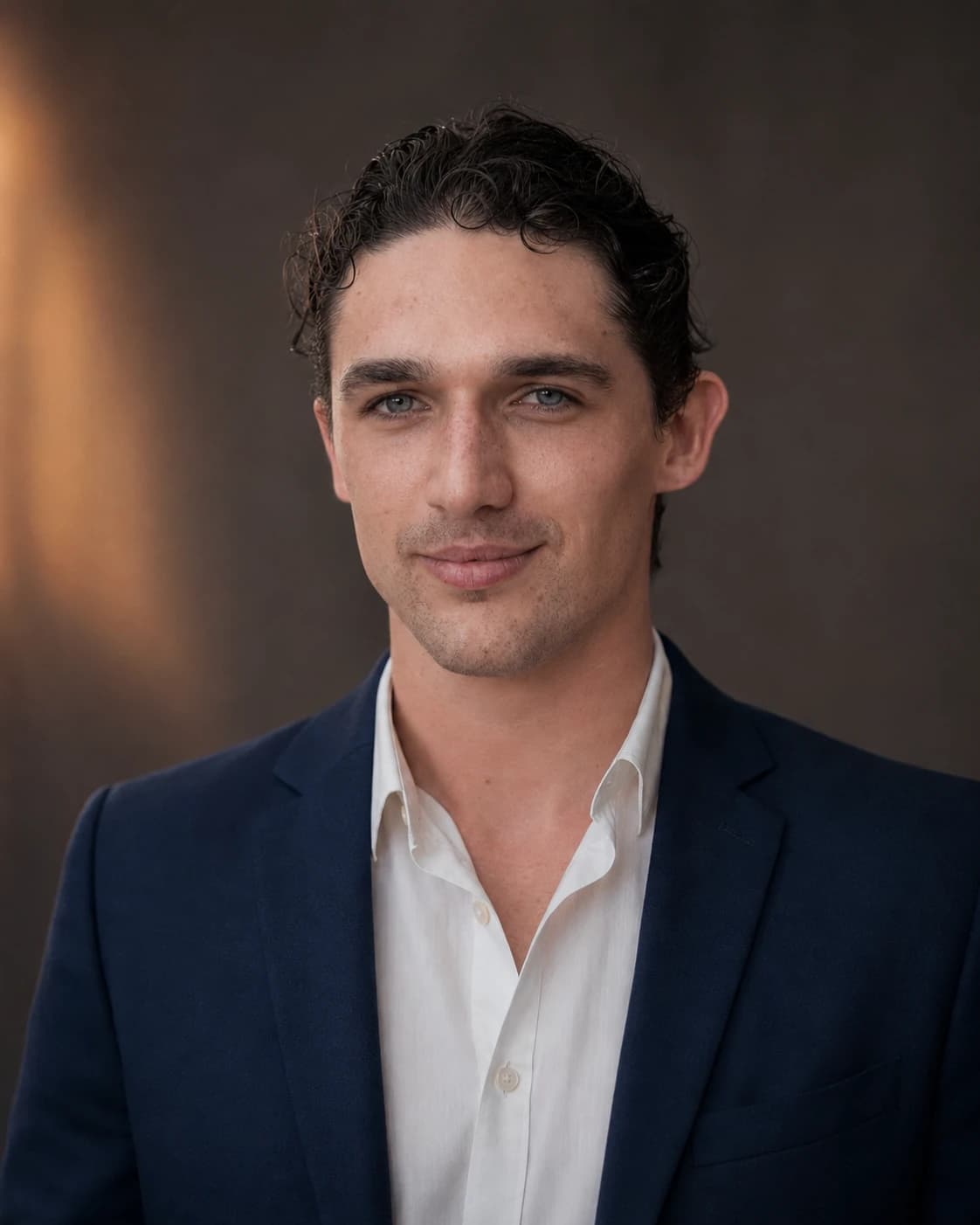
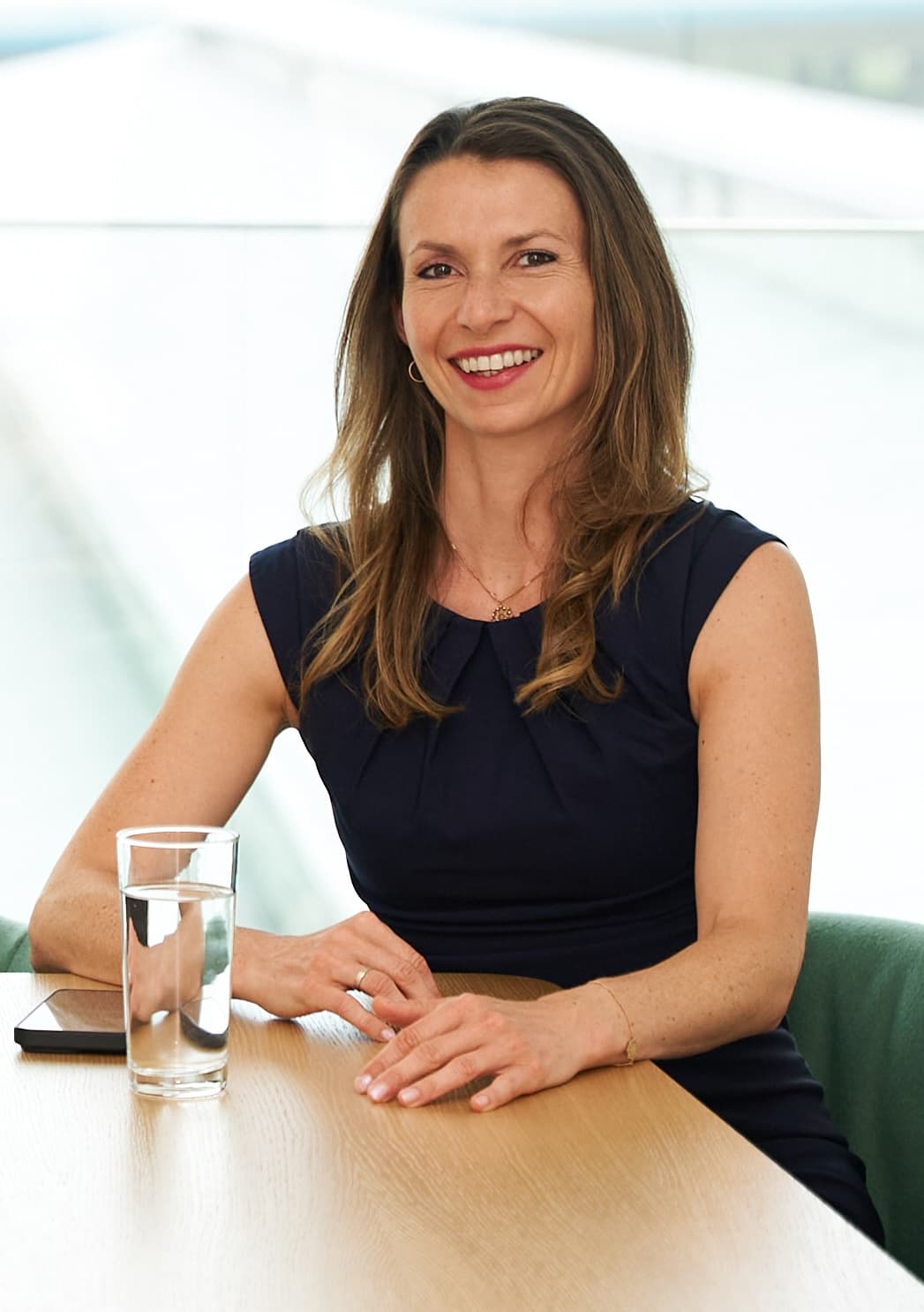
BusinessOS was created by Daniel Dahan. Sabrina Pils-Matiasek implements and operates it for clients in the DACH region: Sabrina owns the customer situation, people and ongoing support; Daniel the technical model and core.
Daniel DahanCreator & Technical Architect of BusinessOS
Sabrina Pils-MatiasekEntrepreneur · Business Analysis, Adoption & Support
How Sabrina works
BusinessOS by Daniel Dahan. Implemented and operated by Sabrina.
You work with Sabrina as the accountable implementation and operating partner for the DACH region. Sabrina leads the engagement and remains available to your team. Daniel is the creator and technical architect of BusinessOS.
Analysis, implementation, training and support by Sabrina
Modelling, integrations and agent setup by Daniel
Hosting, monitoring and solution coordination by Sabrina
Model, integrations & agents
The technical mastermind behind BusinessOS.
Daniel brings together theoretical physics, software engineering and a deep interest in how people and organisations think, act and learn. BusinessOS grew out of this long-term work on living systems.
Using the business analysis, he models the relevant context, connects data and existing tools, and configures the digital roles with clear goals, workflows, rights and escalations.
Daniel develops the core architecture and handles deep technical changes whenever a new use case requires capabilities that do not yet exist in the system.
She turns working reality into a clear foundation for implementation.
Sabrina works with management and employees to understand how the business really operates: where information is created, what decisions depend on and which friction matters commercially.
She translates this reality into clear requirements for BusinessOS, guides the implementation and trains the team. The goal is not only a technically working system, but one that people trust and can use well.
Sabrina Pils-Matiasek remains the accountable point of contact for operation, monitoring and support. When something does not work, Sabrina coordinates the solution and brings Daniel in whenever technical development is required.
We determine what fits by looking at how your company actually works.
Do we need to replace our existing tools?
No. We start with the way you actually work and assess which systems should be connected. BusinessOS creates context rather than replacing tools that already work.
Does every agent work completely autonomously?
Every agent receives a clearly limited mandate, permitted data and tools, and escalation and approval rules. Critical decisions remain with accountable people.
Why does the system need a data foundation, code and an LLM?
The data foundation holds the relevant business context. Code and rules provide reliable, repeatable steps. An LLM is used selectively when language or unstructured content needs to be understood and prepared.
Who does what during implementation?
Sabrina analyses the business, defines the use case with the team, trains employees and leads customer support. Daniel models BusinessOS, connects tools and configures the agents. Sabrina hosts, monitors and coordinates ongoing support.
Who helps when something does not work?
Sabrina is your first point of contact and remains accountable for ongoing operation. Sabrina clarifies the situation with the team. Technical issues, new integrations or new features are resolved together with Daniel.
How do we prove the commercial value?
Before the pilot, we record the baseline. We then measure which capacity is released, how much of it moves into sales, customer work or strategy, and which additional contribution margin or strategic effect results. Only then do we compare that impact with the full implementation and operating cost.
Start with a real bottleneck
Which work keeps landing back on your desk?
Tell us about one specific situation. Together, we will assess whether it can become a useful BusinessOS pilot with a measurable outcome.